A national financial institution faced the challenge of building an interactive experience that would let its customers take part in a remittance promotion in a dynamic, engaging way. The main goal was to create a game that not only entertained users but also ensured a fair distribution of prizes.
The bank needed a solution that met several specific requirements: the game had to be activated from multiple points, and prize distribution had to be both fair and controllable according to the bank's needs.
The Technical Solution
By Dennis Santos, CEO of Andes Development
The Andes Development team chose to build a highly configurable setup that accounted for every element needed to guarantee randomness in awarding prizes across a nationwide rollout.
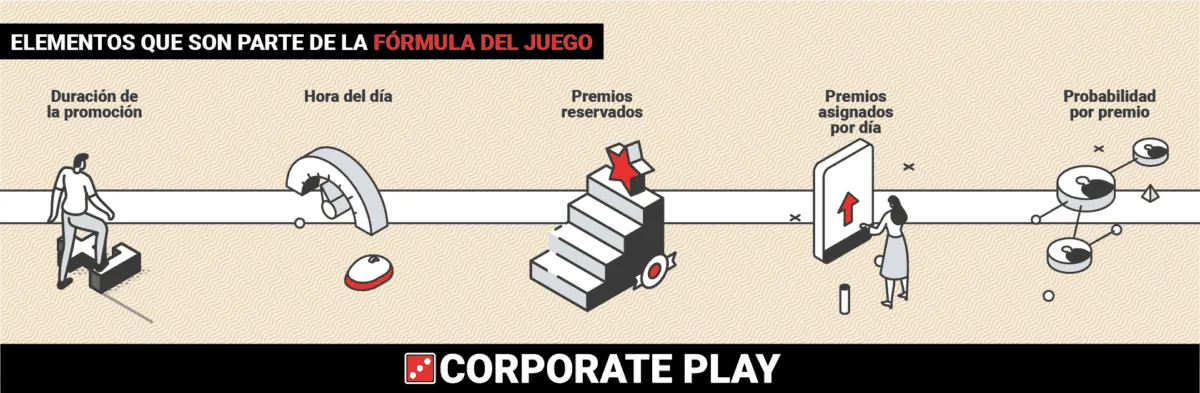
This solution made it possible to:
- Fully configure the game flow.
- Generate tokens by activation point.
- Control prize reserves, both manually and automatically.
- Manage controlled distribution of daily prizes.
- Automatically redistribute unclaimed prizes.
The system logged every entry in detail, including results and activation points, ensuring full traceability throughout the process. Choosing Godot as the development engine let us take advantage of its benefits without licensing concerns, giving the client the freedom-to-use assurance they needed.
The Music Development
By Javier Santos, Composer at Andes
From the very start, our first goal in creating music for the Giveaways game was for the track to react in real time. We wanted to build a simple system that could respond as quickly as possible to the actions of the person playing or entering the raffle.
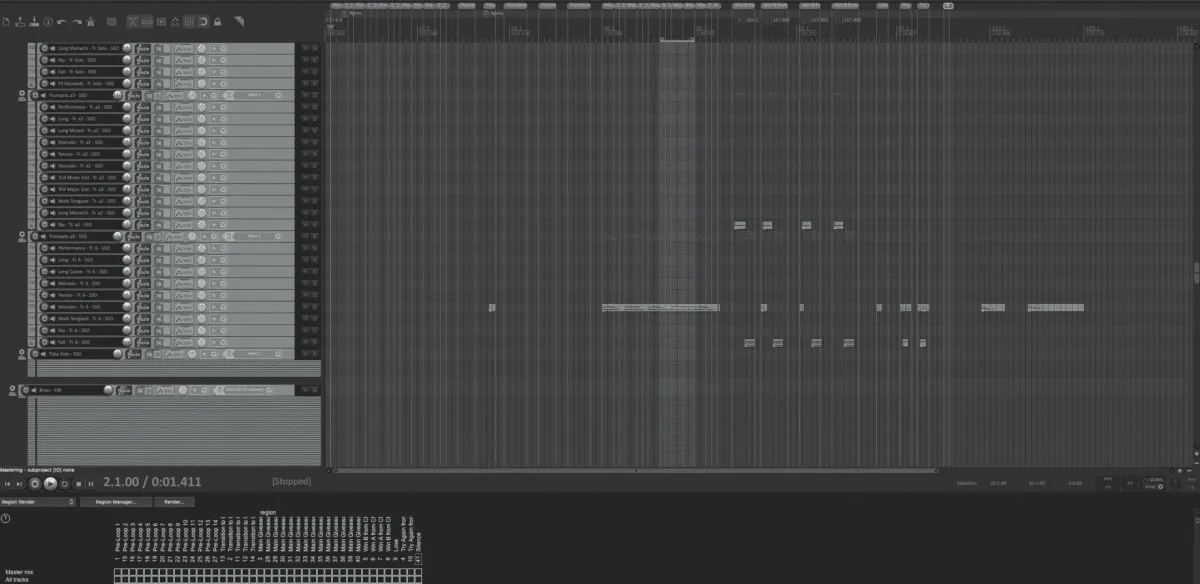
The second goal was to create high-quality music that matched the game's design and style. Several music genres came to the table, but we ended up choosing something inspired by 1960s pop (specifically the music released by Motown) combined with a few jazz elements.
Good music without interactivity isn't a problem, but while playing, it's less satisfying when the game doesn't react to what we do. And while a good interactivity system without good music isn't bad either, it isn't ideal, because we humans connect deeply with music. So the main objective became striking a good balance between interactivity and music quality.
The biggest challenge wasn't finding that balance; it was the time we had to find it in. In one week, there isn't much time. That meant every area had to sacrifice something to hit that perfect point: the pursuit of simplicity.
In the music, we achieved this by limiting the instrumentation, using a simple but effective chord progression (specifically one in the blues scale), and creating a memorable idea we could reuse. On the interactivity side, it meant building a system that didn't require very granular handling, to avoid creating custom material for every small transition, which takes far too long and makes the music feel improvised.
The final product we delivered comes very close to that perfect balance, but plenty of challenges showed up along the way.
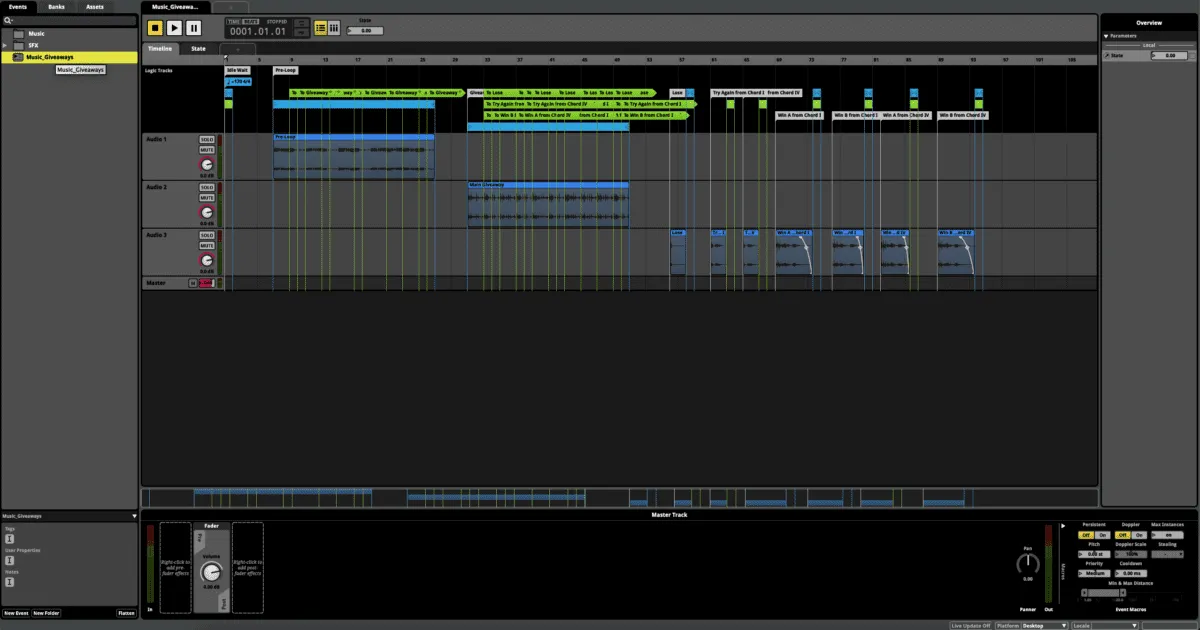
The first was using FMOD in Godot. There's currently no official integration, so we used one built by the community. It worked extremely well until we compiled the game and realized there was no support for web games.
We had two options:
- Drop the music interactivity.
- Rebuild the system directly in Godot using a recently released internal tool.
We took the second route, rebuilding the whole system from scratch. But when we finished, we found that Godot's music interactivity tool, being so new, had a few bugs and was missing functionality. The solution didn't work!
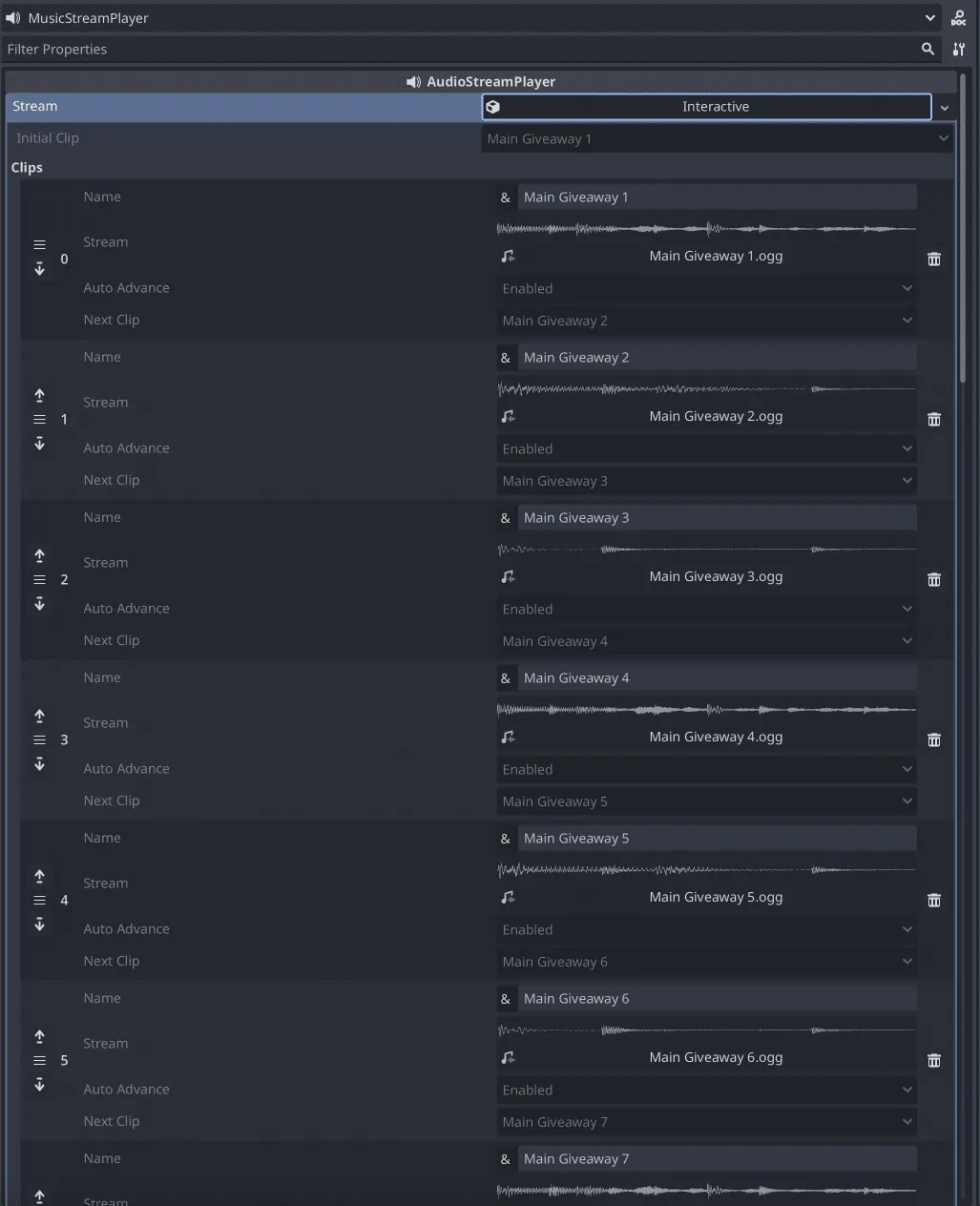
Frustrated, we found ourselves at another decision point:
- Drop the music interactivity.
- Sacrifice half the project so the flow could work partially.
We chose the latter. By cutting an entire section of music and transitions, we managed to keep both the interactivity and the music quality without fully sacrificing one for the other.
Now, while playing, there's a music loop that only stops when one of three things happens:
- The player loses.
- The player gets a second chance to play.
- The player wins the prize.
Each outcome triggers a different ending for the music, and the transition to a given ending depends on where in the music loop we are.
🎵 Audio Note: The game features an interactive sound design that dynamically adapts the track's ending based on the outcome of the round.
Challenges in Godot
By Daniel Morales, Developer at Andes
Building a corporate game system in Godot in just two weeks was a challenge in every sense. To start, we had to dive into Godot's user interface, which, while fairly intuitive, has its complexities.
Tapping into its full potential in so little time meant quickly learning the various panels, nodes, and options available to build an effective, functional game structure. This adaptation phase was critical, since mastering the engine's interface let us streamline our workflow and spend more time on programming and game design.
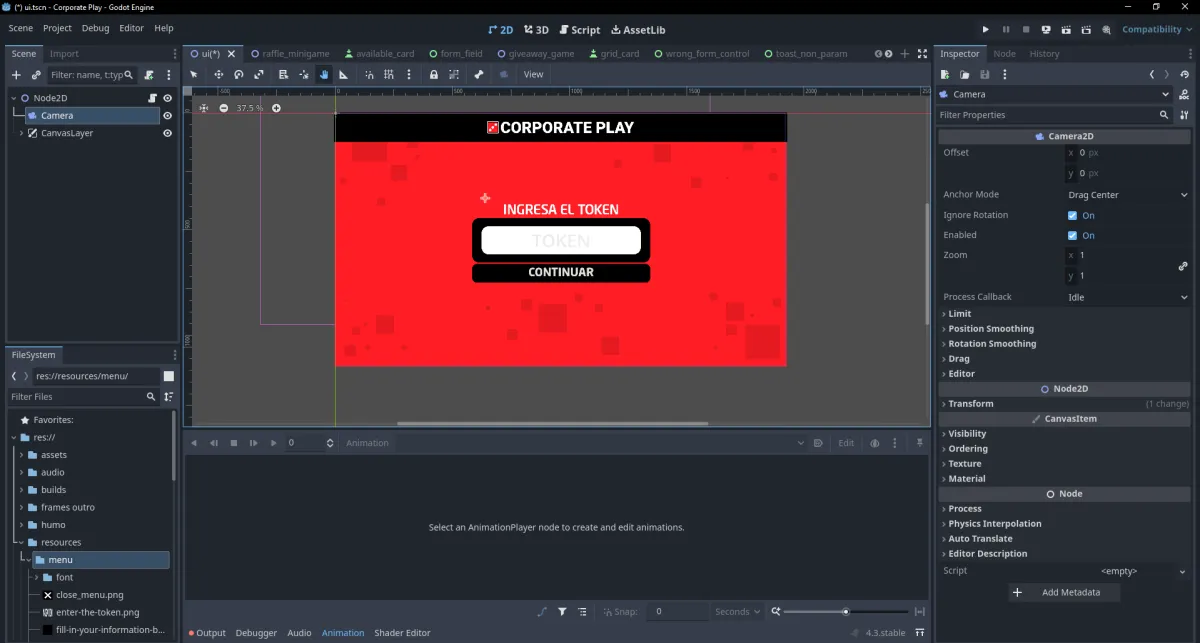
The other big challenge was working with GDScript, Godot's programming language. Writing the game logic quickly without letting the code descend into chaos was essential. There was little room for error, so it was a crash course in trial and error to make sure the mechanics ran smoothly and the games felt dynamic.
Animations
By Mauricio Galdamez, Animator at Andes
Although Godot isn't an engine built specifically for animation, we made use of its features to produce the effects we needed. We created a total of 8 animations for the game flow.
For the defeat animation, we exported a smoke asset as a PNG sequence from After Effects and brought it into Godot. For the victory animation, we used Godot's native particle system to simulate confetti, triggered when the player wins. These visual effects helped enrich the user experience, making the game not just functional but also engaging and dynamic.
Results
By David Nuñez, Developer at Andes
The project was completed successfully in just 15 days, demonstrating the team's ability to deliver complex digital solutions on tight timelines. The resulting platform not only met every initial requirement but also set a new standard for gamification in banking services.
This successful implementation shows how digital solutions can solve complex challenges efficiently and creatively while maintaining a high level of quality across every component, from the programming to the user experience.
Glossary
To make this article easier to follow, here's a glossary of the technical terms used:
- Godot: An open-source game engine used to develop video games and interactive applications.
- FMOD: An audio tool used in the video game industry to create and play interactive sound.
- GDScript: The primary programming language used in the Godot game engine.
- After Effects: Adobe software used to create visual effects and motion graphics.
- Particle system: A technique used in computer graphics to simulate diffuse phenomena like fire, smoke, water, or, in this case, confetti.